
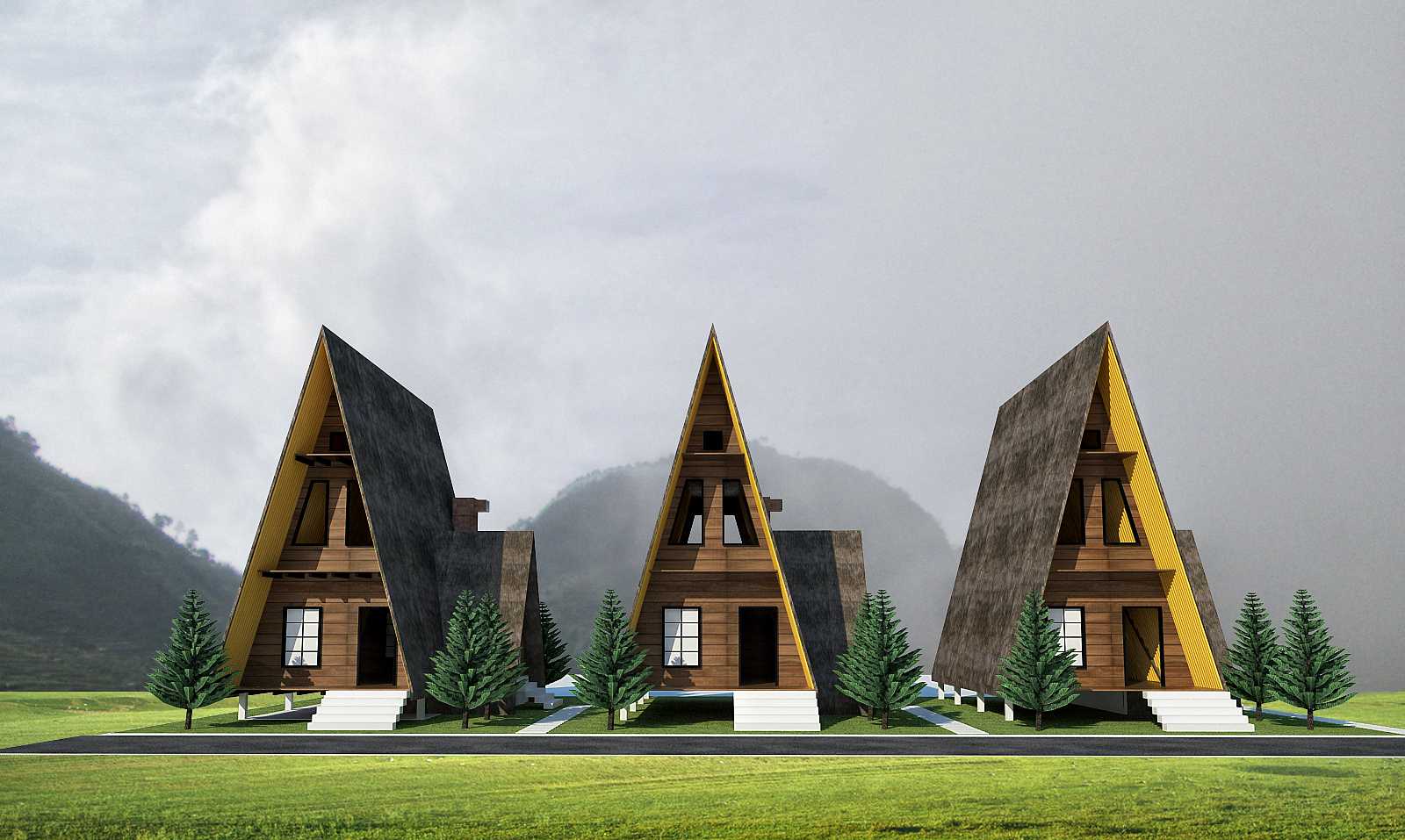
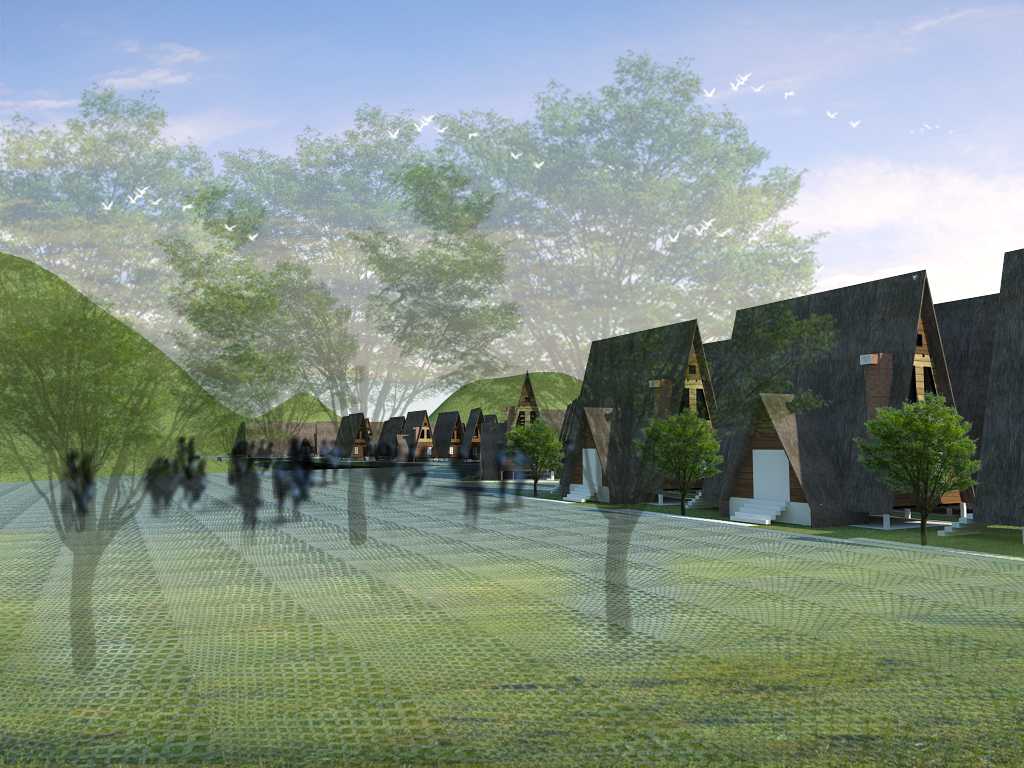
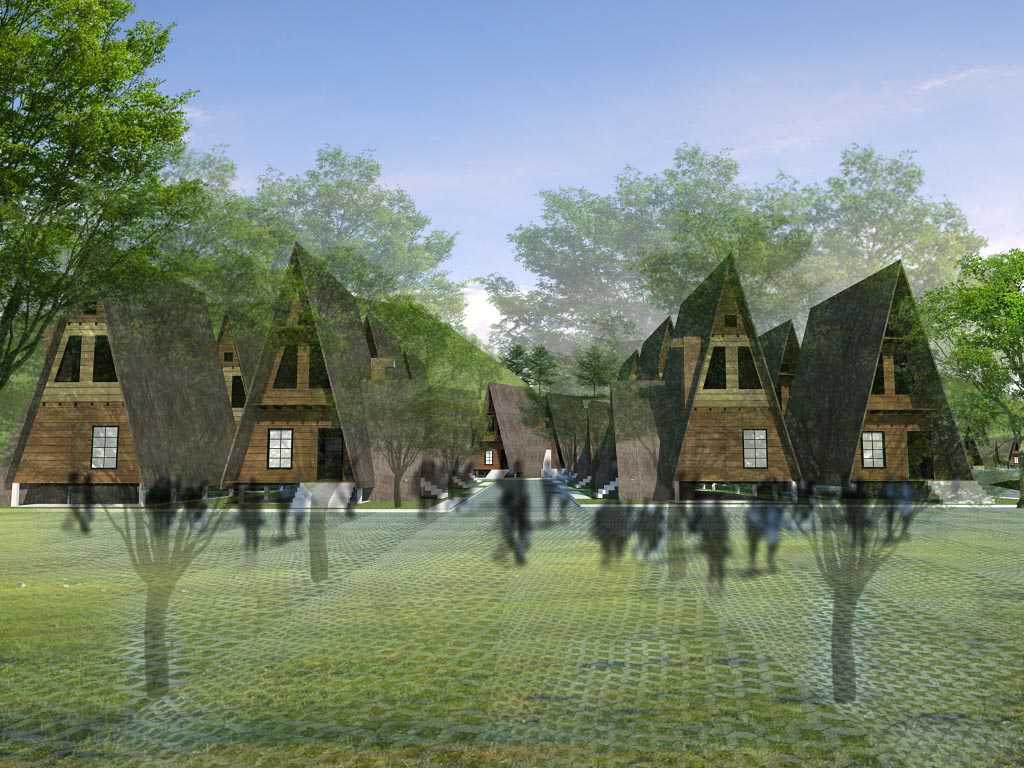
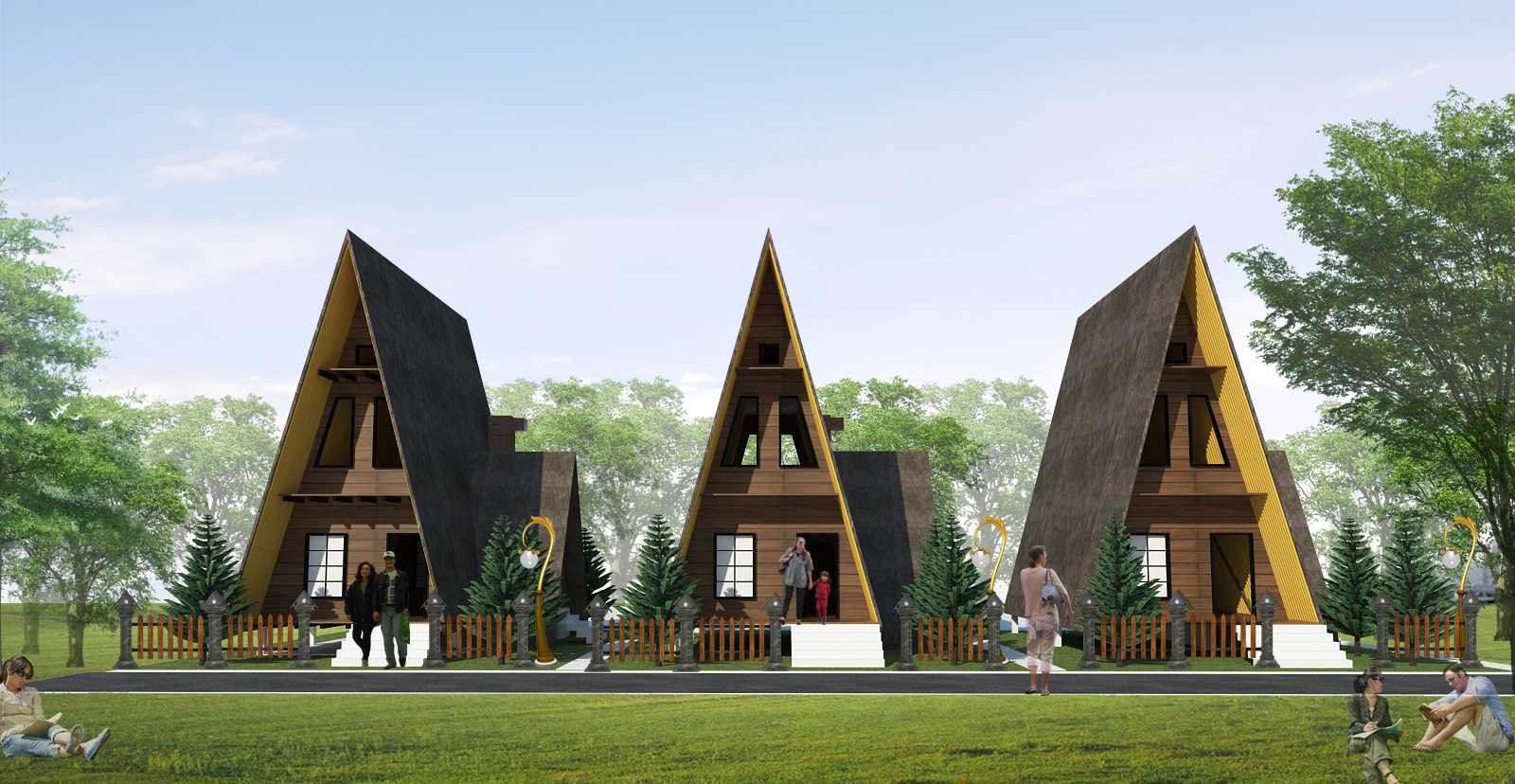

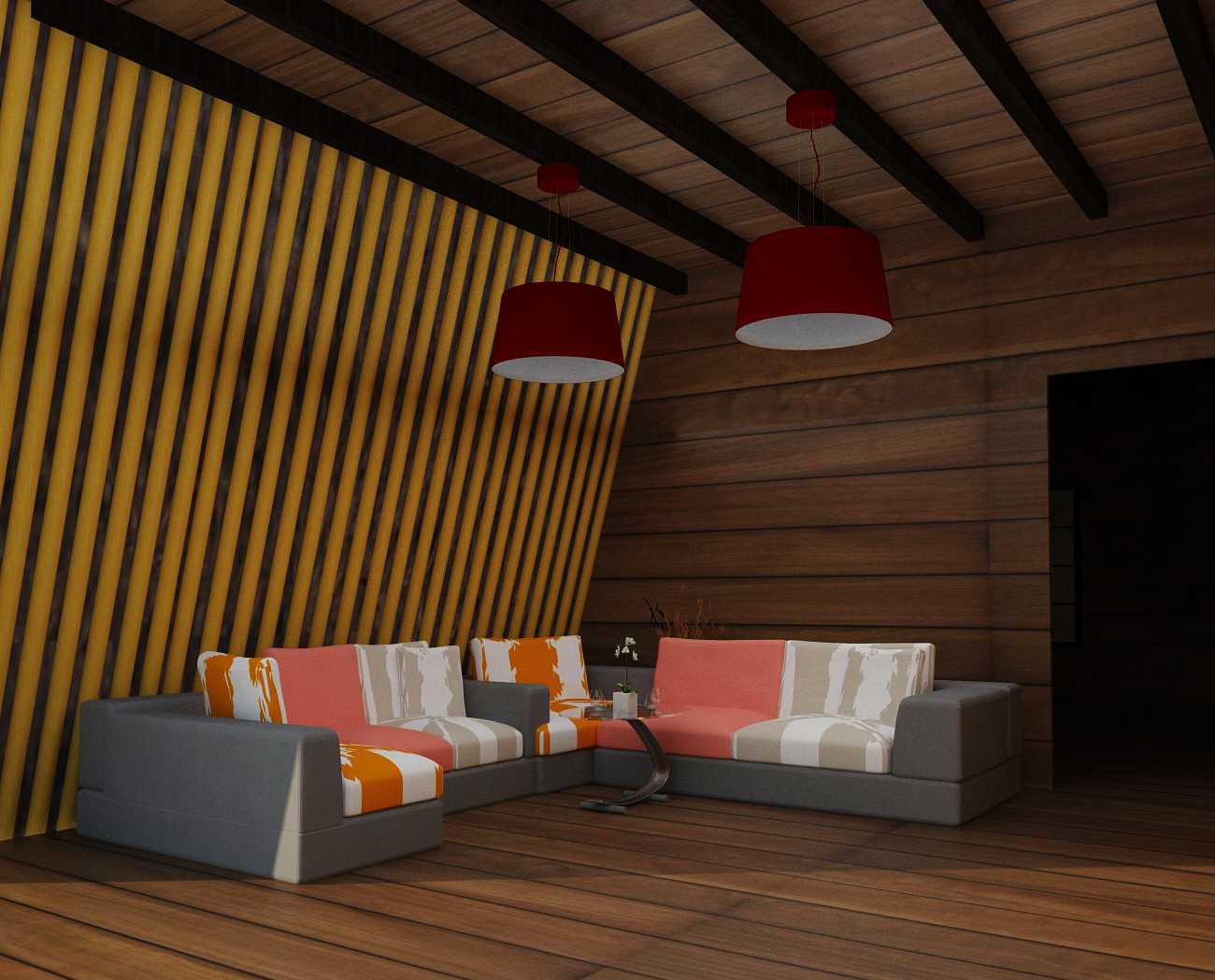
Sembungan Village, Dieng Plateau, Centre Of Java, Indonesia
Competition Project
| Scope | Conceptual Design |
| Principal Architect | Sigit Pramana Putra,ST & Team |
| Year | 2013 |
| Status | Competition |
| Owner | Dinas PU Republik Indonesia |
From this background, development and structuring of settlements in the highlands can be formulated and well planned. Houses cling to each other because of little knowledge and as the population increases. This has led to unhealthy settlements and lack of affordable facilities and infrastructure. The Sembungan Village Room Structure is influenced by the following:
1. Availability of water resources and electricity
Sembungan Village has one spring, which is the Kalilempong spring which serves to fulfill water needs in Sembungan Village (Wonosobo Regency RTRW 2011-2031). The flow of the Kalilempong spring reaches 10 liters / second. In addition there is a natural lake, Telaga Cebong near Sembungan Village which is used by residents to wash clothes, bathe, and daily water needs, the difficulty of electrical energy due to places that are quite difficult to reach and lack of electricity.
2. The level of soil fertility
Sembungan Village is located at an altitude of more than 2300 m above sea level and the land in Sembungan Village is a fertile type of andosol land where this type of land is fertile so it is used by most of the Sembungan villagers who work as farmers to grow potato crops.
3. Topography
Sembungan Village is located on a topography with contour that varies between contours with sloping contours especially in the Sembungan settlement, and more than 8% contours used by the Sembungan Village community to farm. The topography of Sembungan Village, which is located on a plateau and in the hills, makes the majority of the population settlement patterns on sloping slopes.